What The Start Of Skin Cancer Looks Like - Skin Cancer Pictures 5 Different Types Of Skin Cancer To Know : It may be reddish or brown, though sometimes white with flaking skin cells surrounded by a small blotch of darker skin.. Basal cell carcinoma will often present as a bump on the skin that resembles a mole. This may mean that a new lump or sore has formed on the skin, that a new mole has popped up, or that an existing mole has begun to grow or change in shape. Sometimes bcc is first seen as a pink patch on the skin that resembles a small. Melanoma can also start in the eye, the intestines, or other areas of the body with pigmented tissues. The main skin changes to look for include:
Basal cell carcinoma is the type of skin cancer that most commonly may look like a pimple. However, after it's popped, a skin cancer will return in the same spot. Melanoma can develop throughout the body, but most often occurs in areas exposed to the sun, including the nose and the rest of the face. Look out for any new, changing or unusual skin growths, so you can spot skin cancers like bcc when they are easiest to treat and cure. The patches appear dry and scaled and can be itchy.
Is Skin Cancer Of The Scalp The Same As Other Skin Cancers Roswell Park Comprehensive Cancer Center from www.roswellpark.org However, melanoma may also appear as a new mole. The key to spotting skin cancer early is by paying attention to your skin. It most often occurs on the nose, forehead, ears, lower. About 8 out of 10 of all skin cancers are basal cell carcinomas (also called basal cell cancers). The deadliest form of skin cancer, melanoma (like the one shown above) is characterized by dark pigmentation, often with different shades of color, and irregular, asymmetric shapes. Basal cell carcinoma is the type of skin cancer that most commonly may look like a pimple. It grows slowly and takes years to develop. With early detection and treatment, almost all basal cell carcinomas (bccs) can be successfully removed without complications.
This nonmelanoma skin cancer may appear as a firm red nodule, a scaly growth that bleeds or develops a crust, or a sore that doesn't heal.
Actinic keratosis (ak) often looks like a small, rough, scaly patch on the skin. However, after it's popped, a skin cancer will return in the same spot. Early stage skin cancer may resemble a small spot or discolored blemish significantly smaller than the size of a fingernail. The spot shows the a (asymmetrical shape) and b (uneven border). Left untreated, with certain types of skin cancer, these cells can spread to other organs and tissues, such as lymph nodes and bone. However, melanoma may also appear as a new mole. This type of skin cancer is very rare, but individuals with fair skin who are at a higher risk should know that it most often appears on the head or neck as a painless, firm, shiny nodule. What happens with this form of skin cancer is a tumor begins to form in the deeper layers of the skin. Take a look at our extensive article on skin cancer symptoms to make sure you know what to look out for. The beginning signs of skin cancer involve a change in the skin. Skin cancer picture on the upper arm left. Look out for any new, changing or unusual skin growths, so you can spot skin cancers like bcc when they are easiest to treat and cure. What does skin cancer look like?
When you notice a new spot, does it appear different? These spots can be flat or raised and can bleed easily. About 8 out of 10 of all skin cancers are basal cell carcinomas (also called basal cell cancers). Melanoma is the deadliest type of skin cancer. Cancer builds up if the molecule present in tissue cells responsible of the encoding of genetic information, dna, turns out to be defective and the human body won`t be able to fix the deterioration.
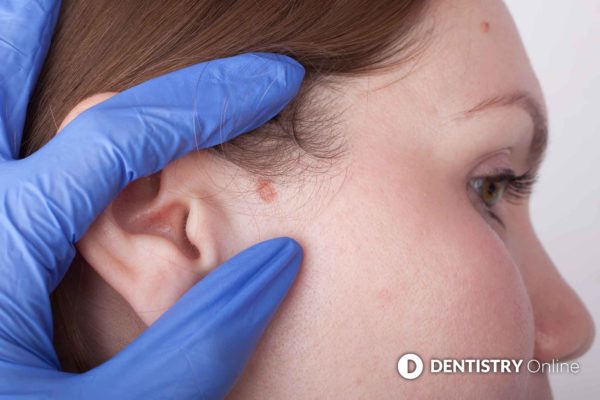
Skin Cancer Should Dental Teams Check Patients Dentistry Online from dentistry.co.uk You'll often see it on your face, head, or neck. What happens with this form of skin cancer is a tumor begins to form in the deeper layers of the skin. Cancer builds up if the molecule present in tissue cells responsible of the encoding of genetic information, dna, turns out to be defective and the human body won`t be able to fix the deterioration. Skin cancer picture on the upper arm left. About 8 out of 10 of all skin cancers are basal cell carcinomas (also called basal cell cancers). They may have one or more abnormal blood vessels. Basal cell carcinoma is the type of skin cancer that most commonly may look like a pimple. These cancers usually develop on areas exposed to the sun.
Skin cancer picture on the upper arm left.
Sometimes bcc is first seen as a pink patch on the skin that resembles a small. Cancer builds up if the molecule present in tissue cells responsible of the encoding of genetic information, dna, turns out to be defective and the human body won`t be able to fix the deterioration. This may mean that a new lump or sore has formed on the skin, that a new mole has popped up, or that an existing mole has begun to grow or change in shape. They can appear as raised areas (like this one), and can be pale, pink, or red. You'll often see it on your face, head, or neck. Often the first sign of melanoma is a change in the shape, color, size, or feel of an existing mole. The visible parts of basal cell carcinoma lesions are often small, red bumps that may bleed or ooze if picked at. Early stage skin cancer may resemble a small spot or discolored blemish significantly smaller than the size of a fingernail. View more melanoma pictures here. Melanoma is the deadliest type of skin cancer. These spots can be flat or raised and can bleed easily. Left untreated, with certain types of skin cancer, these cells can spread to other organs and tissues, such as lymph nodes and bone. When you notice a new spot, does it appear different?
The patches appear dry and scaled and can be itchy. That can make early detection tricky. The defective cells start to expand as well as dividing with no control. The beginning signs of skin cancer involve a change in the skin. This may mean that a new lump or sore has formed on the skin, that a new mole has popped up, or that an existing mole has begun to grow or change in shape.
Skin Cancer Everyone S At Risk from images.ctfassets.net Melanoma can also start in the eye, the intestines, or other areas of the body with pigmented tissues. Squamous cell carcinoma usually first appears as: This is the most common type of skin cancer. You'll often see it on your face, head, or neck. Still you can see some of the abcdes here. The deadliest form of skin cancer, melanoma (like the one shown above) is characterized by dark pigmentation, often with different shades of color, and irregular, asymmetric shapes. These melanocytes can grow together to form benign moles which, after a change in size, shape, or color can be a sign of melanoma. Sometimes bcc is first seen as a pink patch on the skin that resembles a small.
When wondering what skin cancer looks like on your face it is important to know that melanoma can occur in a variety of colors including brown, black, red, blue, or purple.
They can appear as raised areas (like this one), and can be pale, pink, or red. The patches appear dry and scaled and can be itchy. More than 60,000 people are diagnosed with melanoma every year, with nearly 9,000 deaths, according to skin cancer foundation data. These spots can be flat or raised and can bleed easily. Sometimes bcc is first seen as a pink patch on the skin that resembles a small. You'll often see it on your face, head, or neck. These cancers usually develop on areas exposed to the sun. The visible parts of basal cell carcinoma lesions are often small, red bumps that may bleed or ooze if picked at. Melanoma can develop throughout the body, but most often occurs in areas exposed to the sun, including the nose and the rest of the face. The spot shows the a (asymmetrical shape) and b (uneven border). In the early stages of skin cancer, it can look like what would appear as a brand new mole or freckle or it can develop within an existing mole that you have had for years and years. Melanoma that looks like a sore melanoma often contains shades of brown, black, or tan, but some can be red or pink, such as the one shown here. Left untreated, with certain types of skin cancer, these cells can spread to other organs and tissues, such as lymph nodes and bone.