What Are The Signs Of Testicular Cancer In Dogs / (PDF) Testicular cancer: an overview of contemporary practice / While there are treatments and methods for achieving remission or even curing cancer in dogs, each.. The signs are similar to those of other prostatic diseases. Don't fall for that … because there are many health reasons not to neuter him. What are the signs of testicular cancer in dogs? When they are swollen, the swollen tissue can be soft or firm. In addition, your veterinarian may be able to feel subtle changes that could indicate the presence of a tumor.
Signs and symptoms of testicular cancer in dogs. Any advice as to the questions to ask the vet, other than the obvious ones. Sleeping and resting respiratory rates in managing heart failure in dogs and cats. What are the symptoms of testicular cancer in dogs? Some dogs may show other signs of cancer also, such as lethargy, weight loss, and excessive skin bruising.
Testicular cancer in dogs: how to prevent it | EberVet ... from www.ebervet.com The most common symptoms of testicular cancer in dogs include the following: Testicular cancer can happen in any intact male dog, but usually in older dogs. Coughing, sneezing, vomiting, or diarrhea (with or without blood) seizures (late onset) unexplained weight loss. When they are swollen, the swollen tissue can be soft or firm. If the dog is cryptorchid, the swelling will occur in the inguinal or abdomen depending on the location of the testes. Cryptorchid males are up to 13 times more likely to develop testicular cancer than normal dogs. Swelling in the groin or abdomen areas Symptoms and identification the typical signs of testicular tumors include swelling of one or both testicles, enlargement of the scrotum, and infertility (noted in breeding animals).
Sertoli cell tumors can sometimes produce an excessive amount of estrogen, a female hormone.
A 2008 study published in the journal of comparative pathology showed that 27 percent of intact male dogs had testicular tumors. The only way to prevent this type of cancer from occurring is to neuter the animal as a young dog. Sertoli cell tumors can sometimes produce an excessive amount of estrogen, a female hormone. In today's article, we're looking at the types of testicular cancer that dogs can develop, its causes, symptoms, the way it is diagnosed, and how it can be treated or prevented. Most dogs with testicular tumors do not have any obvious clinical signs. sertoli cell tumors can produce estrogen and a condition called hyperestrogenism. Suspicion of testicular cancer in dogs starts with visual evidence. Tetanus in pets (lock jaw) the wrath of grapes. With pets living longer than ever, cancer has become a diagnosis that we see more commonly in older dogs. Darkening of your dog's skin. Germ cell tumors such as seminoma, embryonal carcinoma, and teratoma. While there are treatments and methods for achieving remission or even curing cancer in dogs, each. Neutering is the best treatment if cancer develops, sometimes followed by chemotherapy. Still, in order to be sure that your pet is safe and healthy, you'll need to recognize the symptoms of his condition.
In today's article, we're looking at the types of testicular cancer that dogs can develop, its causes, symptoms, the way it is diagnosed, and how it can be treated or prevented. Sertoli cell tumors can sometimes produce an excessive amount of estrogen, a female hormone. Here's how to check your dog for testicular cancer. Germ cell tumors such as seminoma, embryonal carcinoma, and teratoma. They are characterized by a mixture of different physical symptoms, including the following:
Potential Warning Signs of Cancer that People Too Often ... from www.top10homeremedies.com With pets living longer than ever, cancer has become a diagnosis that we see more commonly in older dogs. Intact male dogs run a fairly high risk of eventually developing testicular cancer. Typically, up to 14 percent sertoli cell tumors in dogs are malignant and will metastasize to surrounding lymph nodes in the body and other organs. Furthermore, the cancer frequently spreads to other tissue and organs (metastasis). Darkening of your dog's skin. Occasionally, when the cancer has metastasized, the treatment required needs to be more aggressive, and the prognosis more guarded, with a longer recovery time for the affected dog. When they are swollen, the swollen tissue can be soft or firm. The tumor is often painful, so the dog doesn't like having it touched.
I am concerned about his seizures as well as the potential for testicular cancer.
In today's article, we're looking at the types of testicular cancer that dogs can develop, its causes, symptoms, the way it is diagnosed, and how it can be treated or prevented. Swelling in the groin or abdomen areas Symptoms and identification the typical signs of testicular tumors include swelling of one or both testicles, enlargement of the scrotum, and infertility (noted in breeding animals). Sertoli cell tumors can sometimes produce an excessive amount of estrogen, a female hormone. Don't fall for that … because there are many health reasons not to neuter him. A lump or swelling of your dog's testicles, unevenly sized testicles, and pain in the groin. Sertoli cell tumor, interstitial cell tumor, and mixed testicular tumors. Signs and symptoms of testicular cancer in dogs. Typically, up to 14 percent sertoli cell tumors in dogs are malignant and will metastasize to surrounding lymph nodes in the body and other organs. Here is a summary of the 10 signs to watch out for: You or the veterinarian may notice swelling, a change of color or texture of the testicle. Cancer is defined as uncontrolled growth of abnormal cells, but the signs and symptoms vary greatly depending on the location and type. In addition, your veterinarian may be able to feel subtle changes that could indicate the presence of a tumor.
The signs are similar to those of other prostatic diseases. Testicular cancer can happen in any intact male dog, but usually in older dogs. The risk of testicular cancer is often used as an excuse to persuade you to neuter your male dog. Sleeping and resting respiratory rates in managing heart failure in dogs and cats. Any advice as to the questions to ask the vet, other than the obvious ones.
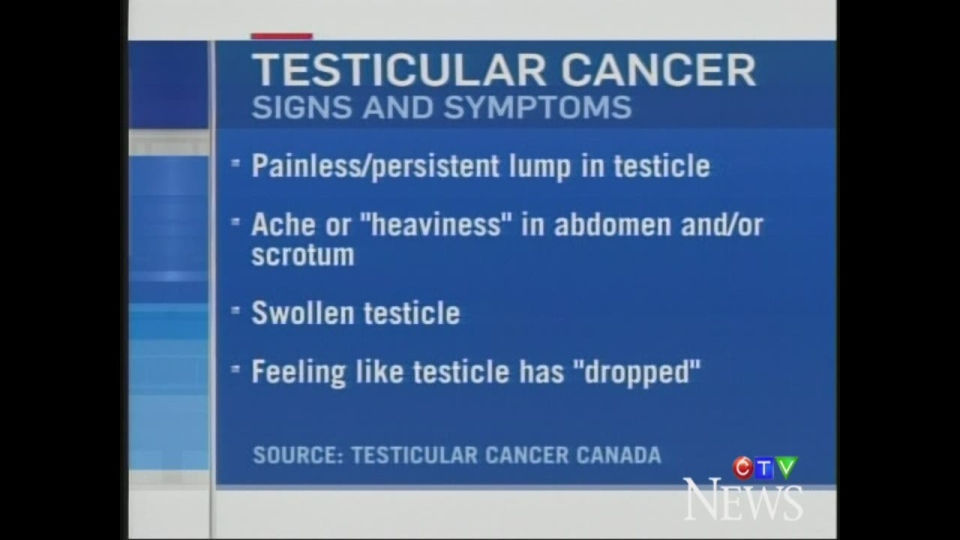
Testicular cancer series: CTV's Scott Miller shares his ... from www.ctvnews.ca The american veterinary medical association (avma) reports that one in four dogs will develop cancer at some time in their life and that 50% of pets over the age of 10 will develop cancer. They are characterized by a mixture of different physical symptoms, including the following: Intact male dogs run a fairly high risk of eventually developing testicular cancer. Because our boy had never been snipped, i shared my concerns with my vet and asked whether i should watch for signs. Some of them can be very vague such as vomiting and diarrhea and others can be very obvious such as large lumps on the body that are easily observed and felt. The risk of testicular cancer is often used as an excuse to persuade you to neuter your male dog. Dog seminoma symptoms seminomas are the second most common form of cancerous growth in a dog's testicles. Sertoli cell tumor, interstitial cell tumor, and mixed testicular tumors.
Dog seminoma symptoms seminomas are the second most common form of cancerous growth in a dog's testicles.
Neutering is the best treatment if cancer develops, sometimes followed by chemotherapy. Pain and fever may be present. With pets living longer than ever, cancer has become a diagnosis that we see more commonly in older dogs. Signs, symptoms and diagnosis of hyperthyroidism in cats. The american veterinary medical association (avma) reports that one in four dogs will develop cancer at some time in their life and that 50% of pets over the age of 10 will develop cancer. What are the symptoms of testicular cancer in dogs? Neutering does not protect against future development of prostate cancer in dogs. You or the veterinarian may notice swelling, a change of color or texture of the testicle. What are signs of testicular cancer in dogs? Sertoli cell tumor in dogs. Some of them can be very vague such as vomiting and diarrhea and others can be very obvious such as large lumps on the body that are easily observed and felt. Still, in order to be sure that your pet is safe and healthy, you'll need to recognize the symptoms of his condition. Testicular cancer is the second most common tumor in older dogs.